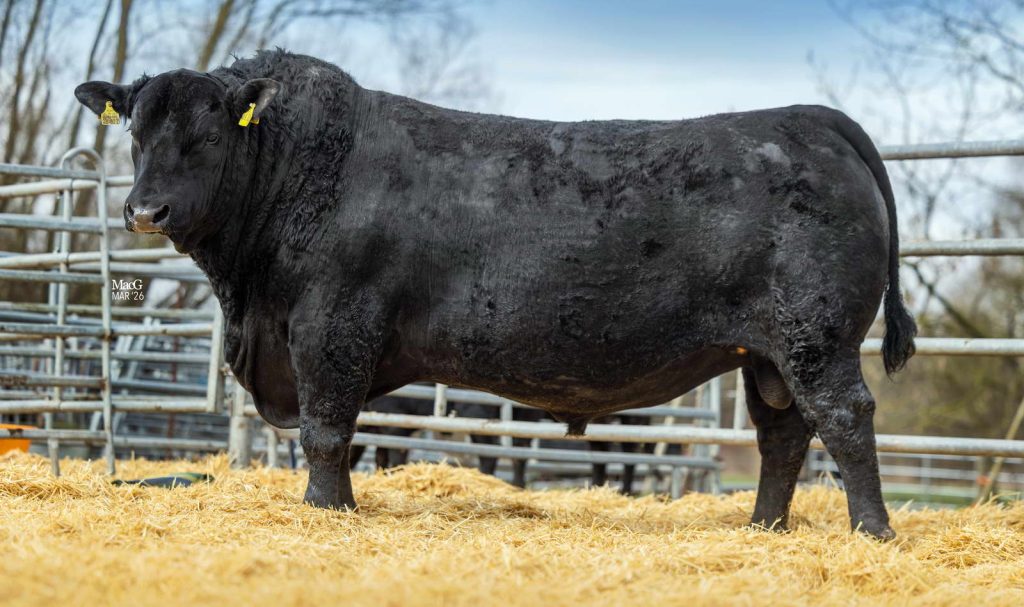
Meeting the Future of Angus in Europe
European Angus Forum – Farm Visit
Welcome to Karpaten Meat Group, one of Europe’s leading Aberdeen Angus production systems, located in the heart of Transylvania.
Founded in 2008 by Swiss entrepreneur Samuel Widmer, the company was built with a clear vision: to combine the exceptional natural resources of Transylvania with world-class Angus genetics and modern farm management.
Today, Karpaten Meat Group operates an integrated production system covering the entire value chain — from breeding and pasture management to finishing, slaughtering, processing and the commercialization of premium Angus beef.
Our farms extend across approximately 5,000 hectares of natural grasslands, with a herd of around 2,000 Angus mother cows and a finishing capacity of up to 5,000 cattle.
During your visit today you will discover different areas of the farm and the production system.
Each numbered location explains one key component of how premium Angus beef is produced from pasture to plate.
During the farm visit you will find 10 numbered stations.
Each number corresponds to a specific stage in the Karpaten Meat production system.
Location 1 – Artificial inseminated Angus females
This group consists of heifers born in 2024, representing the next generation of the Karpaten Meat breeding herd. These animals were artificially inseminated in 2025 using semen from the reference bull DonauMoos Percy V156, a bull recognized for transmitting excellent carcass quality and growth performance.
Percy genetics are valued for several key traits including easy calving, high daily weight gain and superior carcass characteristics, particularly marbling and muscle development. Descended from the well-known Quaker Hill Dead Center line, Percy V156 contributes to faster genetic progress and improved herd profitability.
Location 2 – Angus Mother Cows
This group consists of Angus mother cows, part of our breeding herd.
Over the years, these cows have been carefully selected based on performance indicators such as fertility, maternal ability, growth performance of their calves. Each animal is individually recorded and monitored through Stockbook, a digital herd management system that tracks the full life history of every animal.
This system allows us to maintain complete traceability of each animal — including pedigree, health records, performance data and progeny results — ensuring a data-driven breeding program focused on long-term genetic improvement.
Our breeding cows are representing the optimal balance between maturity, productivity and maternal performance. Reproduction is carefully managed to ensure a compact spring calving season, aligned with pasture availability and optimal conditions for calf development.
The breeding season is strategically controlled: bulls are introduced around mid-June and remain with the herd for a estimated two months, allowing coverage of at least three reproductive cycles. Pregnancy is then confirmed in autumn, through ultrasound scanning, ensuring early and accurate monitoring of reproductive performance.
Location 3 – Young Bulls 2025
This group consists of young bulls born in 2025, selected from the best genetic combinations developed within the Karpaten Meat breeding program.
Their genetic background includes proven European Angus bloodlines from the DonauMoos breeding program, such as Levi W871, Boy Y565 and Miro — bulls known for transmitting strong growth performance, balanced maternal traits and high carcass quality.
These reference sires demonstrate key performance indicators that guide our breeding selection. For example:
• Levi W871 combines efficient growth with carcass weight improvements of +21.4 kg.
• Boy Y565 contributes balanced performance with +20.6 kg carcass weight and strong maternal traits.
• Miro is recognized for maternal performance and milk production potential of +10.5 kg daughter milk.
By combining these genetics with animals raised under the natural pasture conditions of Transylvania, Karpaten Meat develops bulls that combine efficient growth, structural soundness and high carcass value.
From this group, selected individuals are retained as breeding bulls for future generations, ensuring the continuous genetic progress of the herd.
Location 4 – Breeding Bulls 2024
This group includes young breeding bulls born in Romania in 2024, selected from the Karpaten Meat breeding program and from proven European Angus bloodlines.
Their genetic background includes reference sires such as Gigang S383, Lance S366, Master United and King Rossitter, bulls recognized for transmitting strong carcass performance and balanced maternal traits.
These reference bulls demonstrate key performance indicators that guide our selection:
• Lance S366 combines structural quality with +19.2 kg carcass weight and strong carcass conformation values.
• Master United contributes balanced breeding traits with +18.9 kg carcass weight and stable maternal performance.
• King Rossitter supports efficient growth and balanced maternal traits with +18.9 kg carcass weight and strong fertility indicators.
Young bulls in this group are evaluated based on growth performance, structural correctness and genetic potential before being selected either for natural breeding within the herd or for future breeding programs.
Through this process, Karpaten Meat continuously improves the genetic quality of its Angus herd and contributes to the development of high-performance Angus cattle in Romania.
Location 5 – Breeding Bulls
This group presents the breeding bulls actively used in the reproduction of the mother cow herd.
These bulls represent the genetic engine of the farm, selected based on strict performance criteria including growth efficiency, structural soundness, fertility and carcass quality. Their role is critical: each bull directly influences the next generation of calves and the long-term genetic direction of the herd.
The genetic line includes proven sires from the DonauMoos breeding program, known for delivering consistent and measurable results in commercial beef production.
• Gigang S383 is a benchmark for carcass performance, transmitting an average carcass weight improvement of +30.3 kg, making it a key reference for high-yield beef production.
• DM Luca S372 is recognized for his balanced genetic profile, combining strong growth performance with excellent conformation and functional traits. His progeny demonstrate reliability in both weight gain and structural development, making him a valuable sire for sustainable herd improvement.
All breeding bulls are carefully integrated into controlled mating groups, ensuring optimal coverage, genetic diversity and performance tracking across the herd.
Through this disciplined selection and utilization of top genetics, Karpaten Meat ensures continuous progress toward producing high-performance Angus cattle adapted to pasture-based systems and premium beef markets.
Location 6 – Heifers 2025 prepared for Artificial Insemination (2026 program)
These heifers born in 2025 were selected for future breeding based on DNA testing and genetic evaluation.
Genomic testing allows us to identify animals with superior genetic potential at an early age, especially for traits such as growth performance and meat marbling. This technology accelerates genetic progress and improves the overall performance of the herd.
These heifers are currently being prepared for the 2026 synchronization and artificial insemination program, where they will be bred using high-value genetics including the internationally recognized Kansas bloodline, known for producing animals with excellent carcass traits and strong growth performance.
Location 7 – DonauMoos Breeding Bulls
These breeding bulls originate from the renowned DonauMoos Angus breeding program in Germany, developed by Bernhard Delle, a globally recognized reference in Angus genetics and a key partner in building the genetic foundation of the Karpaten Meat herd.
Delle’s breeding program is built on decades of selection and is internationally awarded, with multiple European championship titles, distinctions at the Bavarian state level and top rankings at World Angus competitions. His approach focuses on developing balanced Aberdeen Angus cattle, combining calving ease, efficient growth, optimal carcass structure and premium meat quality — particularly marbling, tenderness and flavor.
Through this long-term partnership, DonauMoos genetics have played a central role in shaping a high-performance Angus population at Karpaten Meat, adapted to the pasture-based conditions of Transylvania while meeting the standards of premium beef production.
The new generation of breeding bulls introduced in 2024 continues this direction, combining proven genetic stability with ongoing selection for performance, adaptability and carcass value.
Location 8 – Heifers evaluated by ultrasound scanning
These heifers have undergone ultrasound scanning, a non-invasive technology used to evaluate carcass characteristics in live animals.
Ultrasound allows us to measure several key parameters, including backfat thickness, the size of the Longissimus dorsi muscle and the level of intramuscular fat, which is directly related to meat marbling.
The collected data is integrated into genetic evaluation systems and contributes to the calculation of breeding values for carcass traits. This technology allows objective selection of animals with the highest genetic potential for premium beef production.
Location 9 – Kansas 030 ET Breeding Bull
At this location you can see the breeding bull DonauMoos MD Kansas 030 ET, an important sire within the Karpaten Meat breeding program.
Kansas 030 ET is built on elite American Angus genetics, combining proven bloodlines such as G A R Kansas, G A R Ashland, and Chair Rock Momentum 6057. This lineage is globally recognized for delivering exceptional carcass quality, strong marbling potential and consistent growth performance.
On the maternal side, the influence of E W A Peyton 642 and the Roseda line adds maternal strength, structural balance and long-term productivity — key elements for sustainable herd development.
As a breeding bull, Kansas 030 ET plays a central role in transmitting high carcass value and performance traits to the next generation. His genetics are used to strengthen both commercial efficiency and premium beef quality within the herd.
Developed under the pasture-based conditions of Transylvania, he represents the successful integration of top-tier international genetics into a system focused on natural growth, robustness and consistency.
Raised and developed under the natural pasture conditions of Transylvania, Kansas represents the combination of international Angus genetics and local adaptation, which is a core principle of the Karpaten Meat breeding strategy.
Location 10 – Kansas Z022 ET Breeding Bull
At this location you can see the breeding bull DonauMoos MD Kansas Z022 ET, part of the new generation of sires shaping the future of the Karpaten Meat herd.
Kansas Z022 ET carries forward the same strong genetic foundation, built on G A R Kansas, with deeper influence from performance-driven lines such as G A R Ashland, Chair Rock Momentum, and Quaker Hill Manning 4EX9.
These genetics are known for combining efficient growth with superior carcass traits and functional conformation.
The maternal lineage, including E W A 444 of 968 Progress and established American cow families, contributes reliability in fertility, milk performance and structural soundness — essential for long-term herd stability.
As a young breeding bull, Kansas Z022 ET represents the next step in genetic progress, selected to deliver balanced performance across growth, carcass quality and adaptability to pasture-based systems.
His role within the breeding program is to continue refining the genetic direction of the herd, ensuring consistent production of high-quality Angus cattle aligned with premium beef market standards.
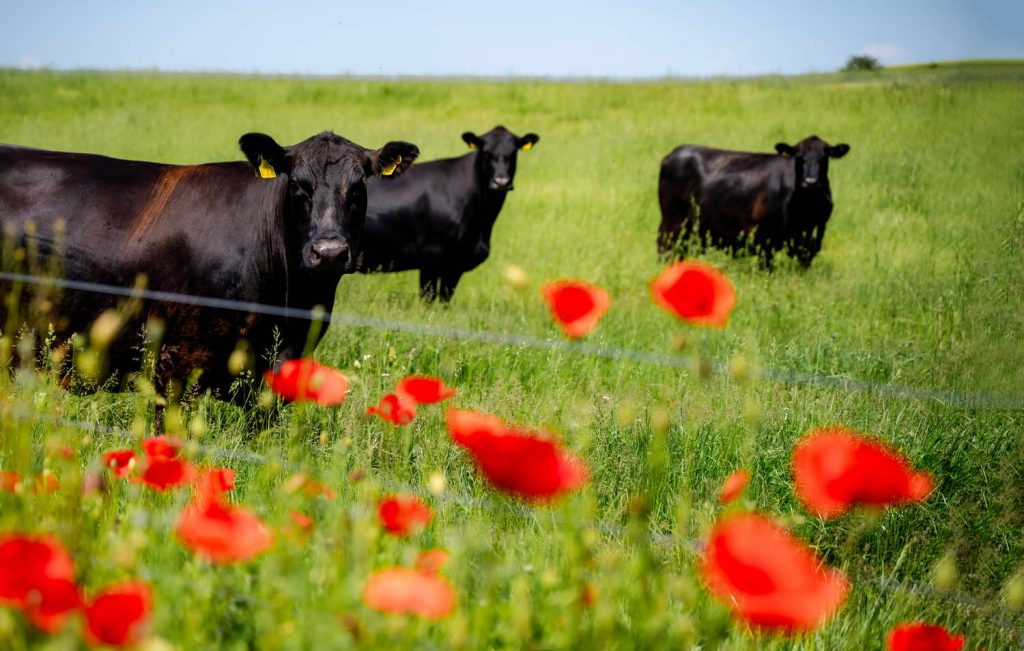
The visit you have experienced today reflects the philosophy behind Karpaten Meat Group:
A production system built on natural pastures, strong genetics, animal welfare and full traceability.
By combining the natural advantages of Transylvania with international expertise and modern agricultural practices, Karpaten Meat Group has developed one of the most advanced Angus production systems in Europe.
We hope today’s visit offered insight into how premium Angus beef is produced — from grass to beef, in the heart of Transylvania.
Karpaten Meat Group
Str. Principală fn – Fermă
557135 Marpod/Sibiu,
România
Tel.: +40 269 232 977